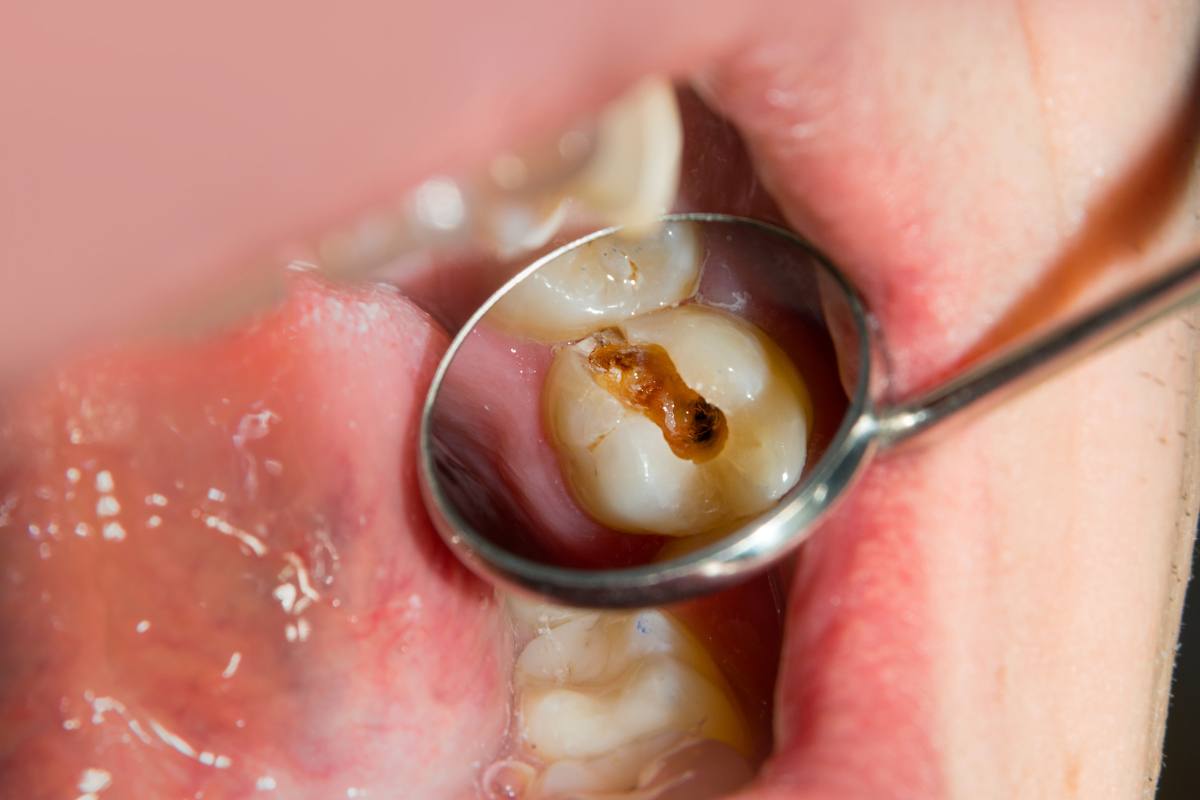
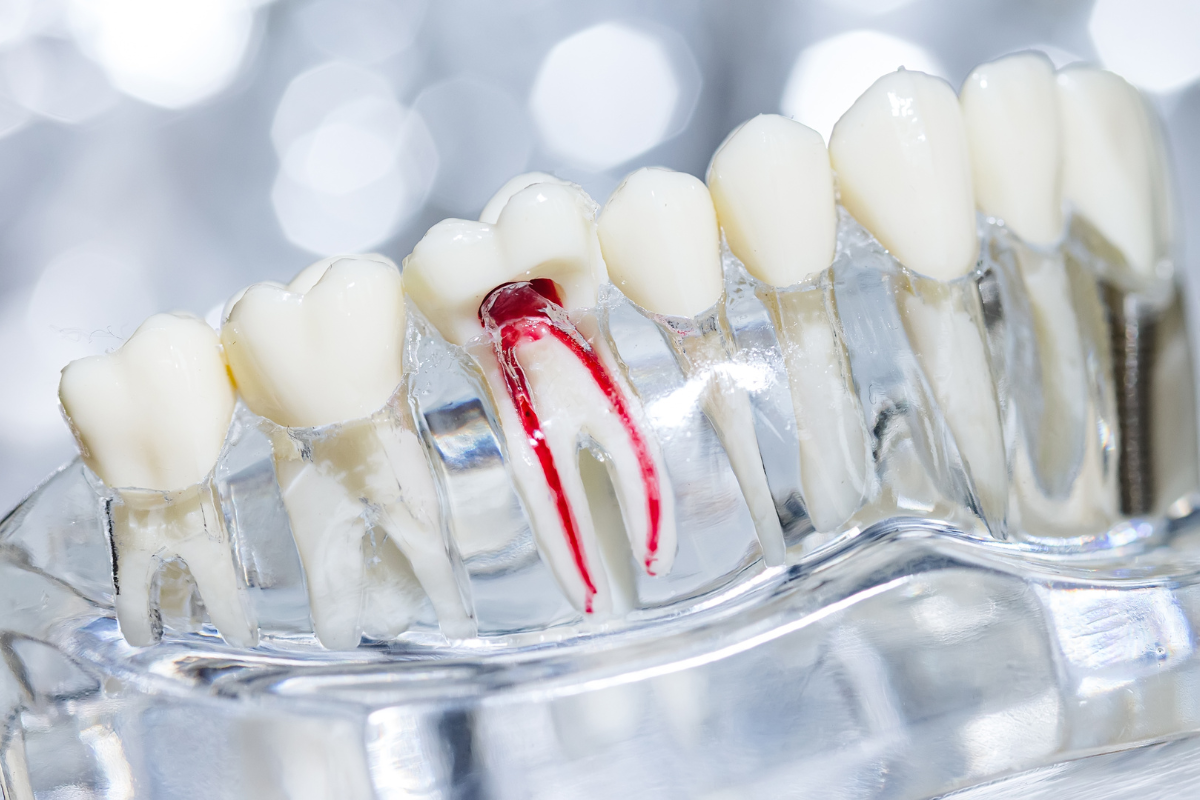
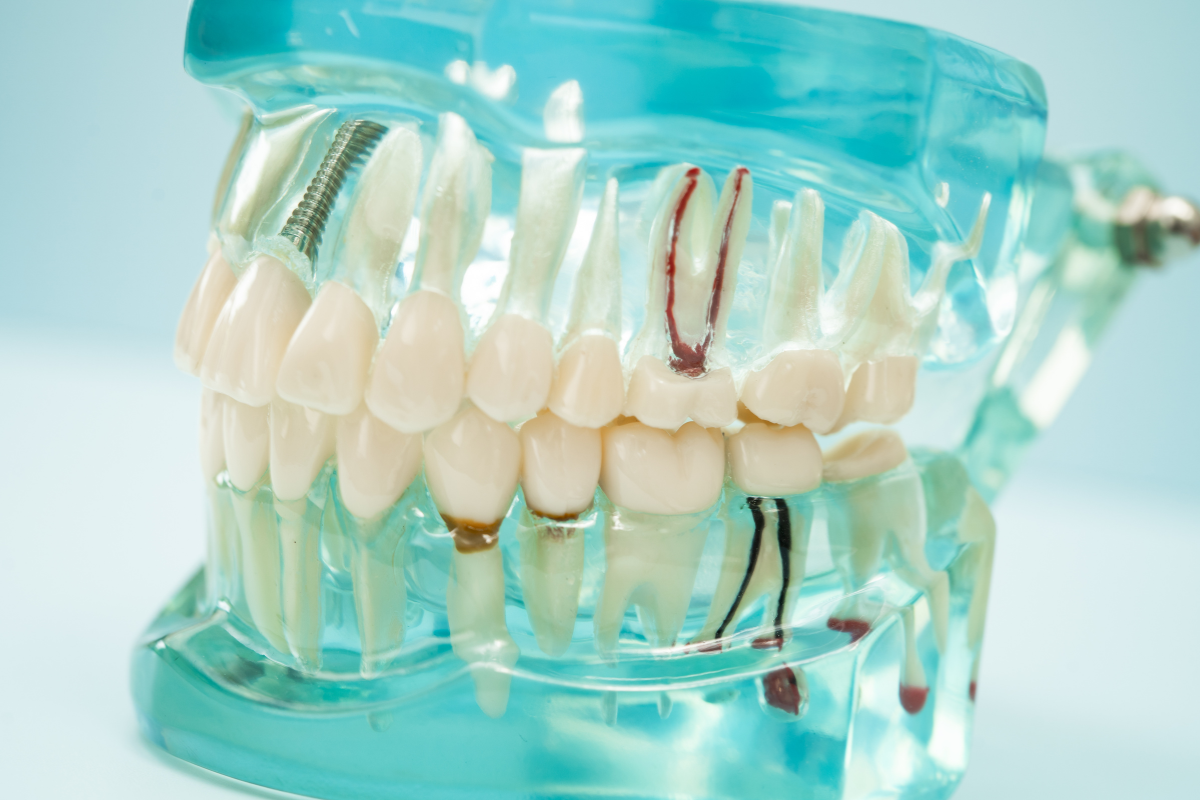
A damaged or weakened tooth may need more than a filling to restore its strength and function. Root canal treatment can sometimes be used to save an infected inner part of the tooth (the pulp). If this is done a crown may be recommended to protect your tooth. A dental crown may then be recommended to cover and protect the treated tooth, depending on how much healthy tooth structure remains.
The advice given for treatment at the Faceco Dental Clinic in Kochi will be based on the condition of your teeth, where they are located and your personal dental requirements. This knowledge will help you make an informed choice by understanding the purpose of each treatment.
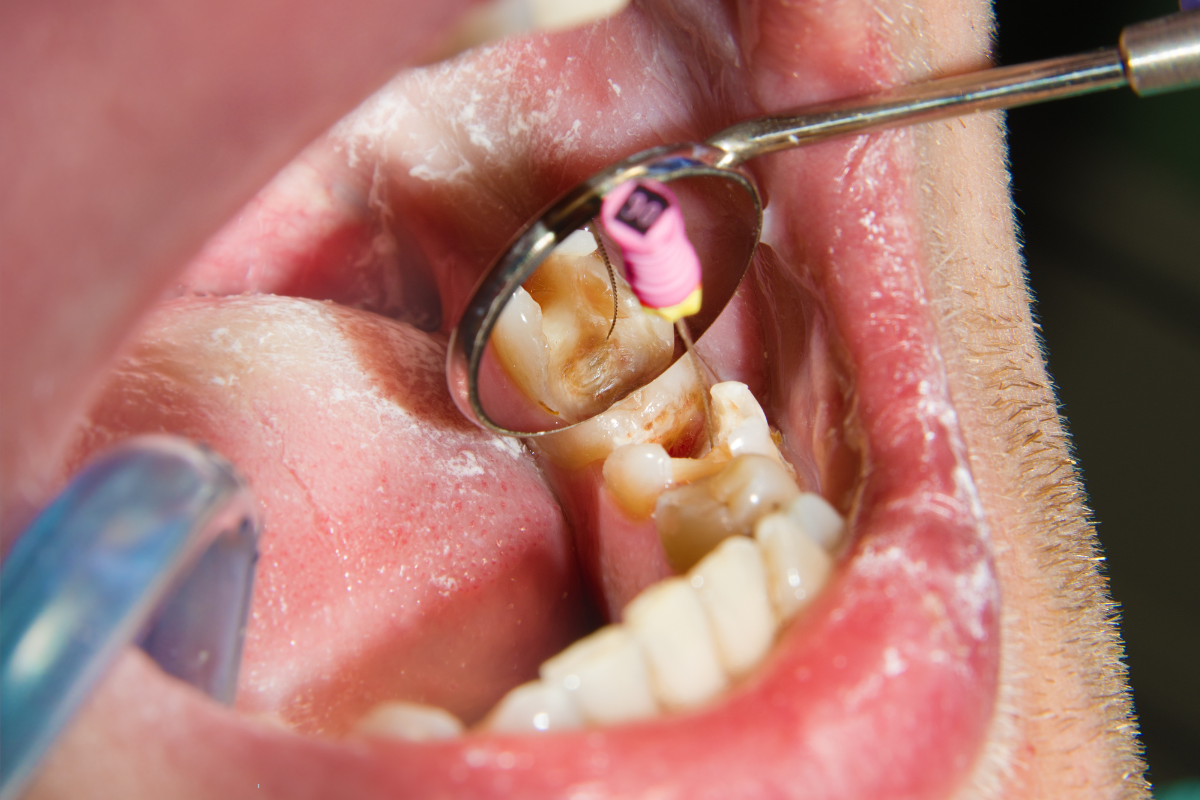
Root canal treatment can be used to treat an infected or inflamed tooth. Unfortunately this can leave the tooth quite weak, especially if there has been lots of decay, cracking or old fillings present.
A crown is a bespoke dental restoration placed over the preparation of a tooth. Crowns help restore the form of the tooth, provide support during mastication and protect the tooth from damage.
A crown may be recommended when:
Not every tooth treated with a root canal requires a crown. Your dentist will assess the remaining tooth structure before recommending the most appropriate restoration.
Dental crowns play an important role in restorative dentistry. They are designed to improve the function and appearance of teeth that have become damaged or weakened.
Some benefits include:
Restores Tooth Shape: A crown helps rebuild the natural shape of a damaged tooth, making it easier to bite and chew.
Provides Additional Protection: Covering a weakened tooth can help reduce the risk of further damage or fracture.
Improves Appearance: Depending on the material selected, a crown can provide a natural-looking finish that blends with surrounding teeth.
Supports Everyday Function: A properly fitted crown helps restore chewing function and contributes to a balanced bite.
The process of getting a dental crown will generally involve just a few steps. Firstly you will have an assessment by your dentist to make sure that your tooth can accept a crown. Then, the tooth will be prepared so there is enough space for the crown.
Impressions or scans will be taken to help make your restoration. A temporary crown may be placed. At your next appointment your dentist will check that your crown fits, looks good and bites well before attaching your final crown.
You may have more than one appointment depending on the state of your tooth and what type of restoration is required.
A dental crown needs regular oral hygiene care, just like natural teeth. Follow these simple practices to maintain your restoration:
Although crowns are designed for durability, they are not permanent and may require maintenance or replacement over time.
Restoring a damaged tooth requires careful evaluation and an appropriate treatment plan. At Faceco Dental Clinic, Kochi, our dental team assesses the condition of the affected tooth and discusses suitable options for root canal treatment and crown restoration.
Whether you’ve got a weak tooth, a pre-existing root canal treated tooth or damaged restoration, we can help you decide on next steps with a consultation.
Visit Faceco Dental Clinic in Kochi to discuss any dental problems you may have and find out how we can treat them and help you keep your natural teeth. Book a consultation with us.
Treatment to remove infection and restore strength using a protective crown.
Have questions about restoring a weakened tooth? Find answers about dental crowns, tooth protection, restoration and treatment planning at Faceco Dental Clinic, Kochi.
A dental crown may be recommended when a tooth has lost considerable structure due to decay, damage or previous dental treatment. It covers the prepared tooth, helping restore its shape, chewing function and strength. The need for a crown depends on the amount of healthy tooth structure remaining.
No. Not every tooth treated with a root canal requires a crown. The decision depends on the tooth's position, remaining structure, extent of damage and chewing forces. Your dentist will examine the tooth and recommend a suitable restoration.
A dental crown can last for many years, but its lifespan varies according to the material, oral hygiene, bite pressure and daily habits. Regular dental check-ups, proper brushing and flossing help maintain the crown and the supporting tooth.
Dental crown placement commonly involves two appointments. The first visit includes tooth preparation and taking an impression or digital scan. A temporary crown may be fitted while the permanent restoration is made. At the next visit, the dentist checks the fit and bite before fixing the final crown. The schedule may vary depending on the case.
Once the permanent crown is fitted and your dentist confirms that it is comfortable, you can generally return to your usual diet. Avoid biting very hard objects and follow any specific dietary instructions given during treatment. If your bite feels uneven, contact your dentist for an adjustment.
Persistent discomfort, sensitivity, a loose crown, visible damage, swelling around the tooth or difficulty biting may indicate a problem. Do not try to fix a loose or damaged crown yourself. Arrange a dental examination to identify the cause and discuss appropriate care.
The suitable crown material depends on the tooth's location, appearance, biting pressure, available space and your dental needs. Different options include ceramic, porcelain-based and metal-based crowns. Your dentist can explain the advantages and limitations of each option before treatment.
Faceco Dental Clinic in Kochi provides dental consultations for damaged teeth and restorative treatment planning. If you need root canal treatment or a crown to restore a weakened tooth, arrange an appointment to have your condition assessed and discuss suitable treatment options.
We always take care of your smile
(+91) 81292 20630

Copyright © 2026 Faceco Dental Clinic. All Rights Reserved.